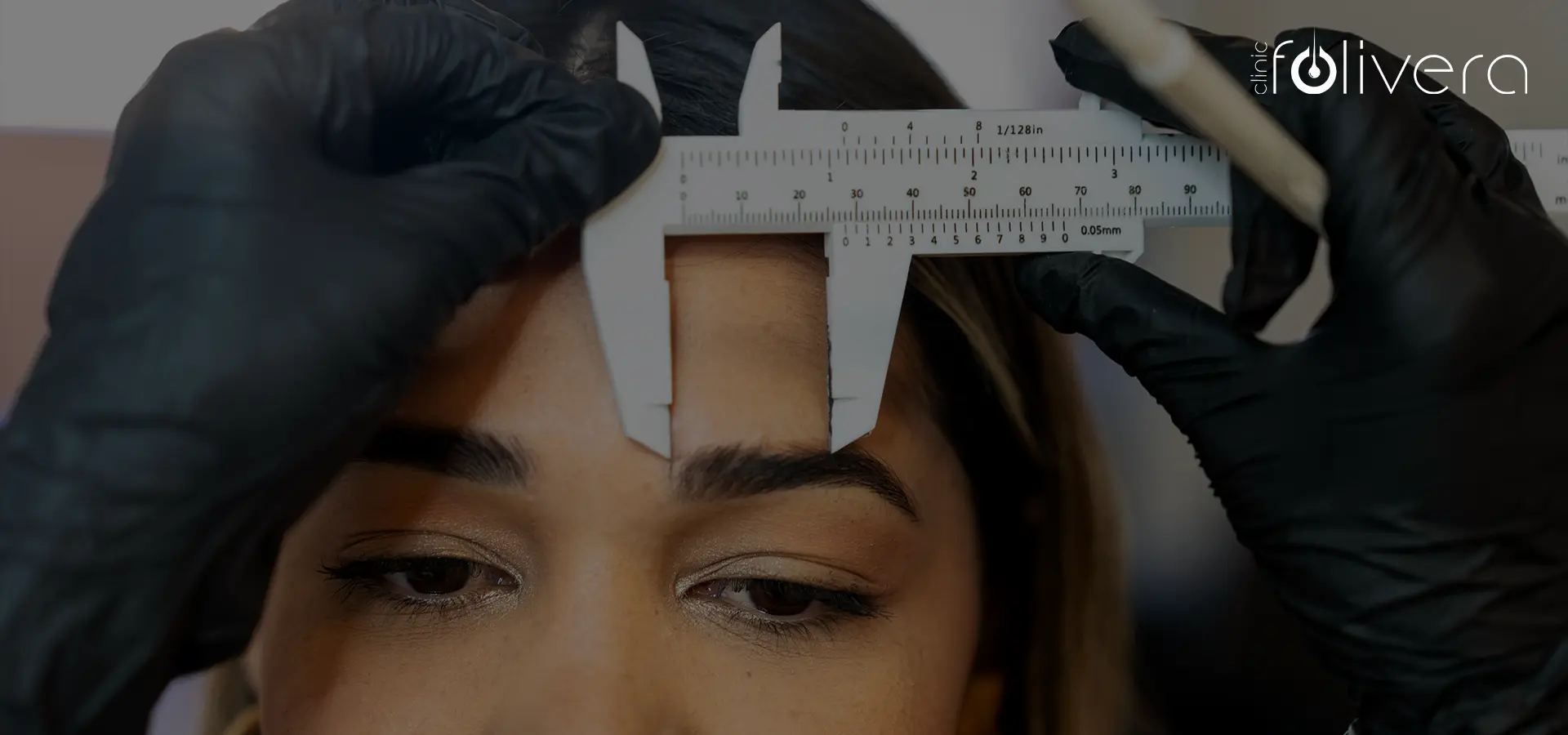
What is eyebrow transplant?
An eyebrow transplant is a procedure where hair follicles are taken from a healthy donor area and implanted into the eyebrows using specialized techniques.
• It is performed under local anesthesia for greater comfort.
• It is both an aesthetic and medical solution for eyebrow loss caused by burns, scars, or alopecia.
• The result is natural, respecting the angle and direction of hair growth.
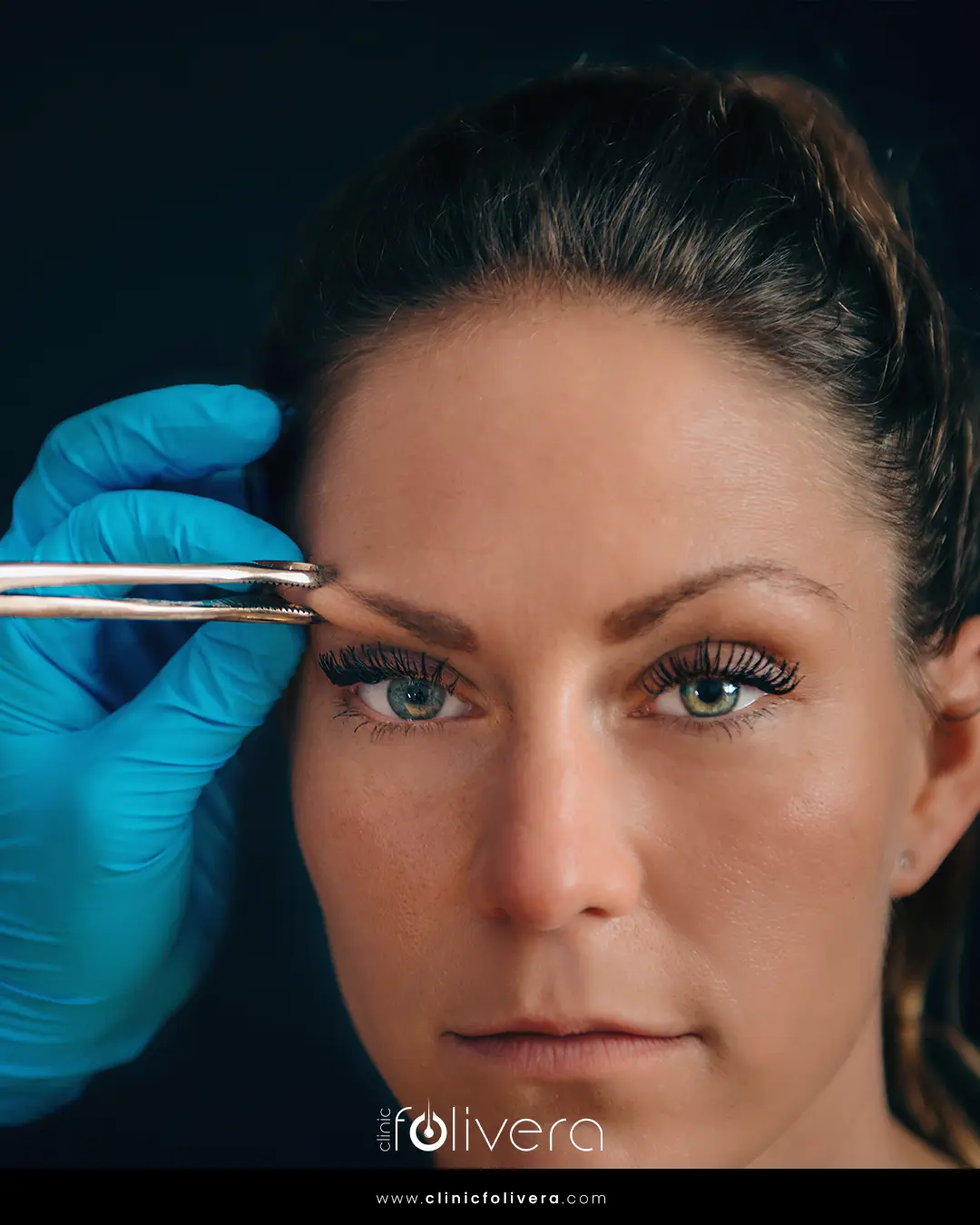
Importance and Causes of Eyebrow Loss
Eyebrows not only enhance appearance but also express emotions like surprise, anger, and curiosity.
Common causes of eyebrow loss:
• Genetics and aging
• Thyroid diseases
• Skin problems (eczema, dermatitis)
• Poor cosmetic practices (excessive plucking)
• Trauma or burns
A transplant is ideal if there is a donor area with good hair density.
ChatGPT:
Donor Area and Main Techniques
• Donor area: the nape of the neck or behind the ears.
• Techniques:
– FUE (Follicular Unit Extraction): individual extraction without visible scars.
– DHI (Direct Hair Implantation): implants follicles with a special pen without opening channels.
• Advanced technology is used for precision and natural results.
Process Before and After the Transplant
Before:
• Facial evaluation, overall health check, and eyebrow design.
• Supplements and pre-treatments if needed.
During:
• Local anesthesia, procedure lasts 2–4 hours.
After:
• Redness, swelling, and scabs for 2–3 days (do not pick).
• Temporary shedding between days 10–15.
• New growth begins between months 2–3.
• Final density reached at 6–12 months.
• Strictly follow medical instructions.
Eyebrows not only frame your face but also reflect your confidence and personality.
Advantages, Care, and Recommendations
✅ Natural and permanent results.
✅ No risk of rejection (uses own follicles).
✅ Improves self-esteem and facial expression.
Care:
• Avoid intense exercise, sun exposure, and makeup during the first weeks.
• Choose a certified clinic and experienced doctor.
• Follow post-operative care to prevent infections or complications.
Frequently Asked Questions:
• The procedure is painless under local anesthesia.
• Duration is 2–4 hours.
• Visible growth appears at 2–3 months.
• Requires a healthy donor area.