PRP Treatment
In modern medicine, PRP treatment (Platelet-Rich Plasma), used in a wide range of areas from skin rejuvenation to hair loss treatment, orthopedics, and dentistry, is based on the principle of returning growth factors derived from the patient’s own blood back to the body.
Thanks to its completely natural, safe, and effective nature, it has become one of the most preferred regenerative methods in recent years.
PRP treatment aims to enhance the body’s ability to self-repair. It supports cellular regeneration and provides a younger, healthier, and more radiant appearance.
What is PRP?
PRP, or Platelet-Rich Plasma, is a biological product obtained by processing the patient’s own blood into plasma that is rich in platelets and growth factors.
Platelets, which are responsible for blood clotting, also play an active role in:
• Wound healing
• Tissue repair
• Cellular regeneration
The goal of PRP treatment is to inject this concentrated form of cells into the area of the body that needs it, in order to accelerate recovery and trigger cellular regeneration.
It is a completely natural and personalized procedure that contains no drugs, chemicals, or external substances.
How Is PRP Treatment Applied?
The PRP procedure is quite simple and painless, typically lasting between 30 to 45 minutes. It is carried out in the following steps:
• Blood extraction: Between 8 to 10 ml of blood is drawn from the patient.
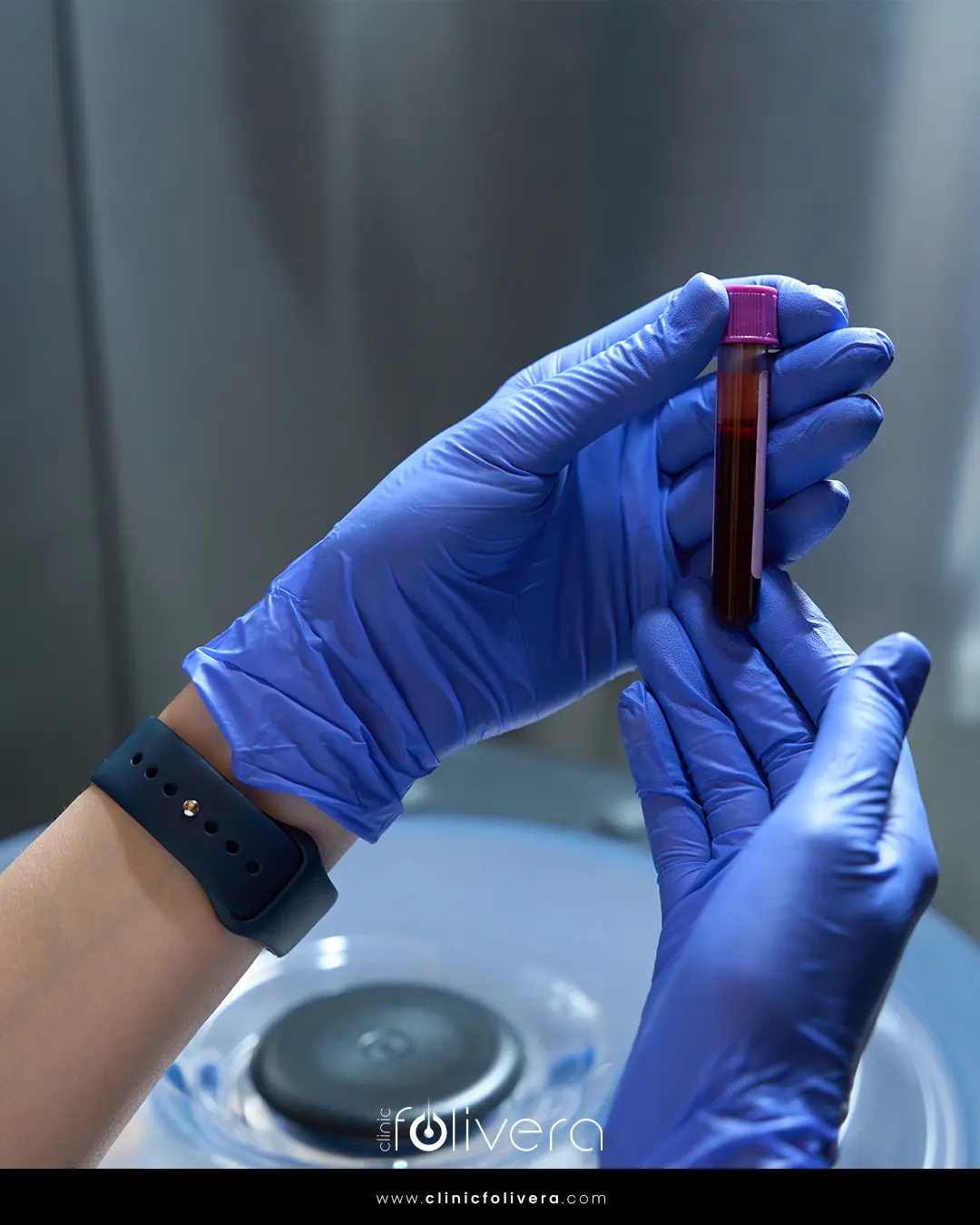
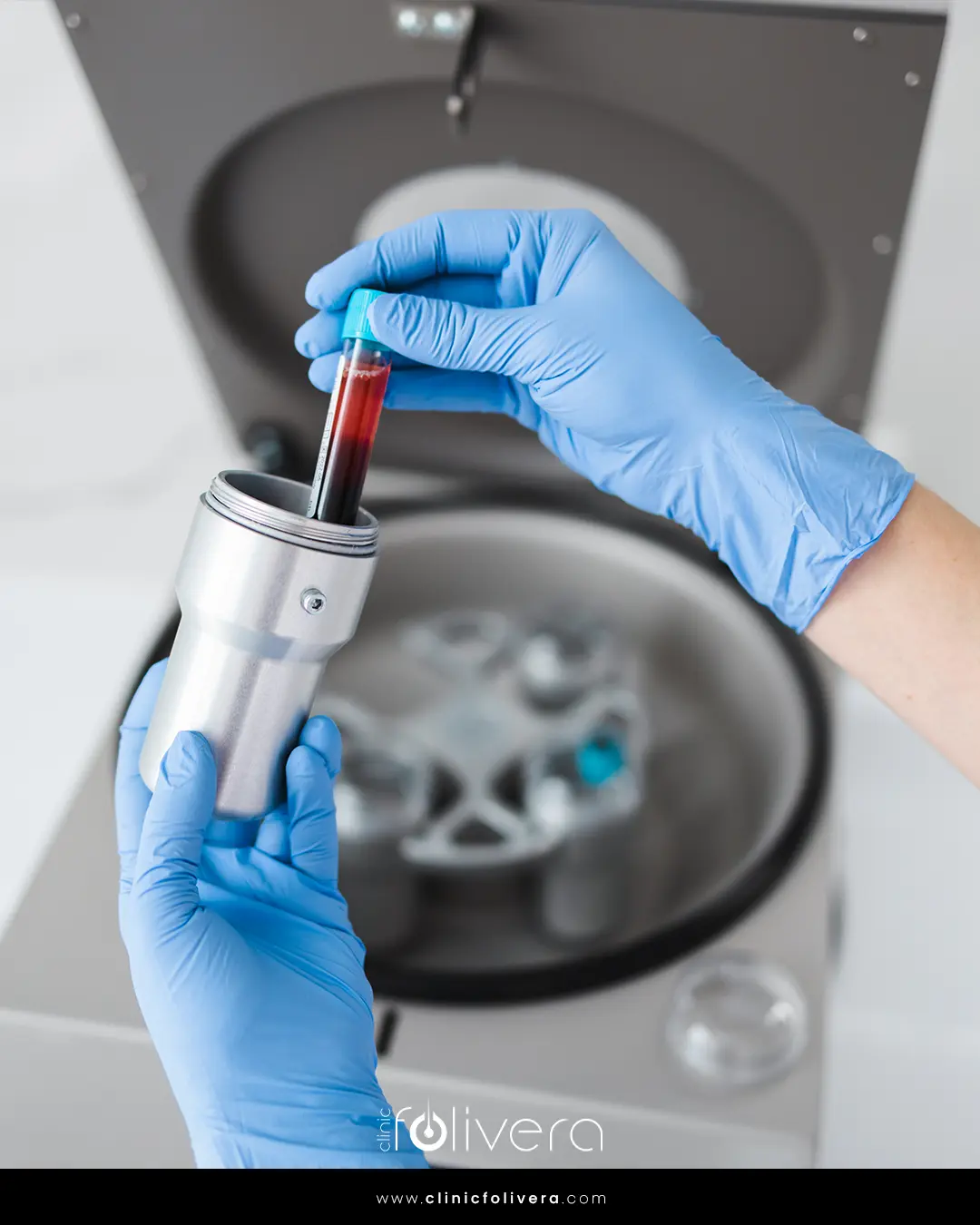
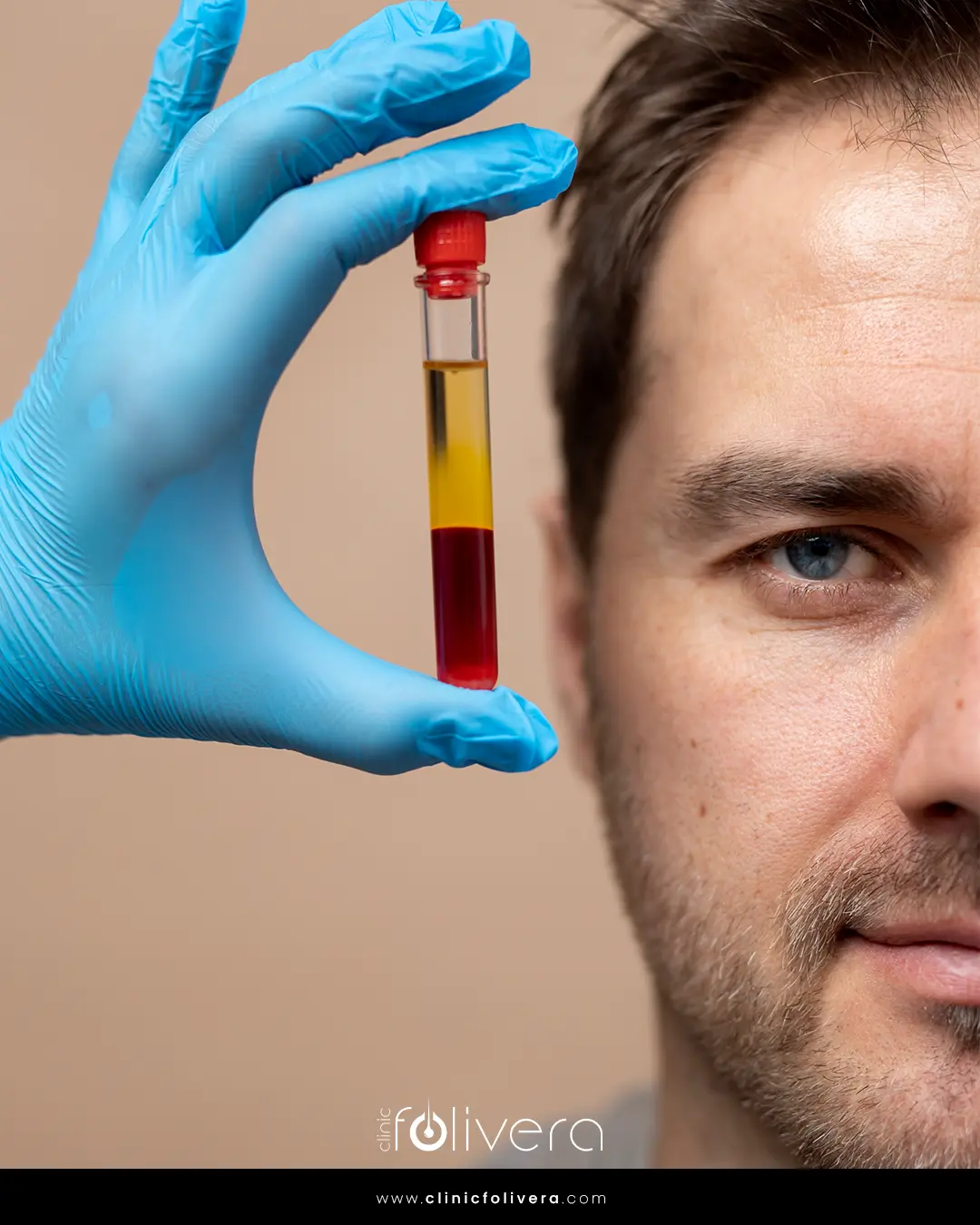
• Centrifugation: The blood is placed in a special tube and centrifuged at high speed for 8–10 minutes. This process separates red blood cells, white blood cells, and plasma. The platelet-rich plasma found in the upper layer is used for the treatment.
• Injection: The obtained plasma is injected under the skin or into the targeted tissue using very fine needles. Depending on the treatment area, it can be applied via:
• Facial mesotherapy
• Direct injection into the scalp
• Deep injection into joints
What Areas Can PRP Be Used For?
Thanks to its ability to support cellular regeneration, PRP is used in a variety of medical and aesthetic fields:
• Hair loss treatment
• Skin rejuvenation
• Acne and scar treatment
• Orthopedics and sports medicine
• Dentistry and maxillofacial surgery
• Plastic and aesthetic surgery
Effects of PRP on Hair Transplantation
PRP enhances the success of hair transplants by:
• Stimulating cellular regeneration in the transplanted area
• Improving local blood circulation and nutrient delivery
• Increasing the survival rate of the implanted follicles
• Reducing the “shock loss” effect that can occur after the transplant
• Improving the thickness, shine, and strength of the new hair
• Accelerating skin healing after the surgical procedure
Recommended Frequency:
• 3 to 4 initial sessions (one per month)
• Maintenance sessions every 3 to 6 months
Advantages of PRP Treatment
• ✅ Natural and safe: Uses the patient’s own blood
• ✅ Fast recovery: Promotes tissue regeneration
• ✅ Non-surgical: Only involves injections
• ✅ Long-lasting effects with regular sessions
• ✅ Minimal side effects
Who Can Receive PRP Treatment?
PRP is ideal for individuals in generally good health who are looking to:
• Improve aesthetic concerns (such as hair loss or facial rejuvenation)
• Accelerate recovery (athletes or post-surgical patients)
PRP is not recommended for individuals with:
• Cancer
• Blood clotting disorders
• Active infections
• Autoimmune diseases
• Pregnant or breastfeeding women
A prior medical evaluation is required.
Your body has the power to regenerate. PRP just reminds it how to do so.
Treatment Frequency and Duration
The frequency of PRP sessions may vary depending on the case:
• Hair loss: 1 session per month for 3 months, followed by maintenance every 6 months
• Facial rejuvenation: 3 to 4 sessions
• Orthopedic injuries: 1 to 3 sessions
⏱️ Results are typically noticeable after the 2nd or 3rd session
Post-Treatment Care
• Do not wet the treated area for at least 24 hours
• ☀️ Avoid sun exposure and makeup
• ♂️ No exercise, sauna, or steam bath for 48 hours
• ❗ Mild redness or swelling is normal
• Avoid alcohol and tobacco to maintain treatment effectiveness
Does PRP Have Side Effects?
Generally, side effects are mild and temporary:
• Mild pain
• Redness or bruising
• Temporary swelling
Is PRP Treatment Permanent?
❌ No, PRP is not permanent.
✅ It provides long-lasting effects, but regular sessions are needed.
The duration of results depends on age, lifestyle, skin type, and treatment area.
PRP Treatment Prices
The cost may vary depending on:
• Treated area
• Quality of the equipment used
• Location of the clinic
• Experience of the medical professional
A personalized consultation is recommended for accurate pricing.