Mustache Transplant
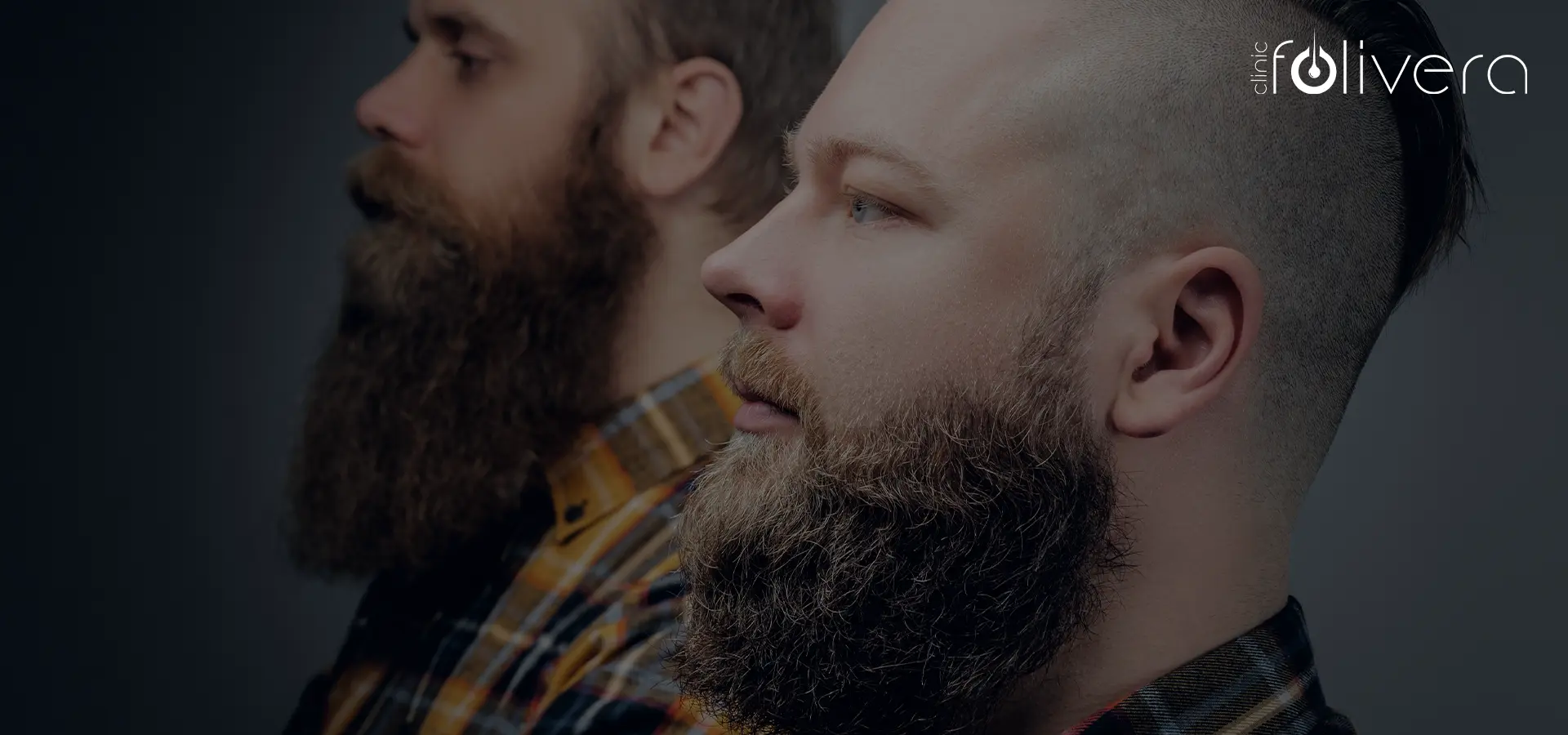
The mustache is an important element that defines masculine features, supports a characteristic appearance, and in many cultures is considered a symbol of "masculinity." Historically, the mustache has been an indicator of status, power, and maturity, and in many societies has represented a social role. Nowadays, the mustache is valued as part of personal style from an aesthetic point of view. However, some people cannot have the type of mustache they desire due to genetics or health problems. In these cases, mustache transplant comes into play.
What is a mustache transplant?
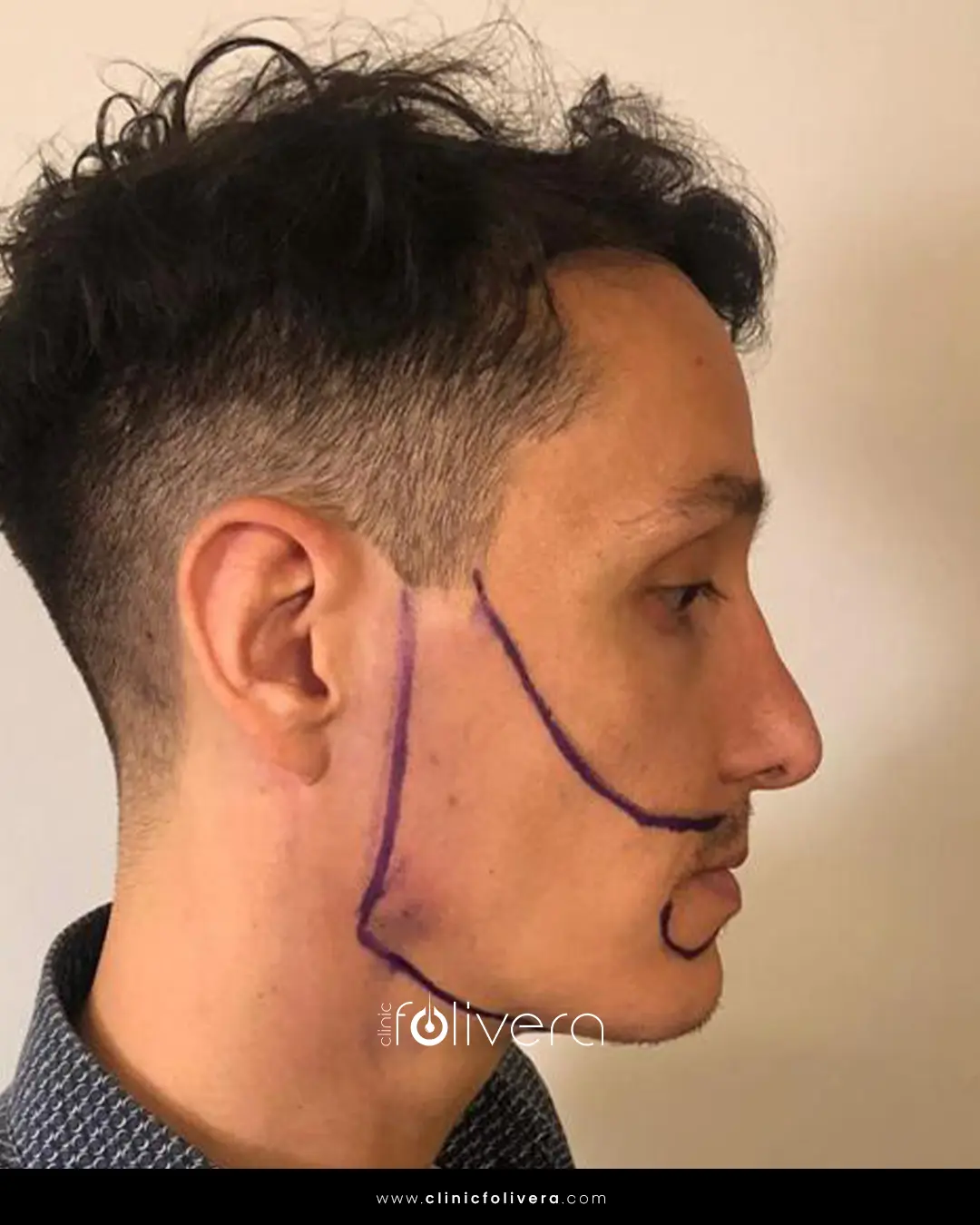
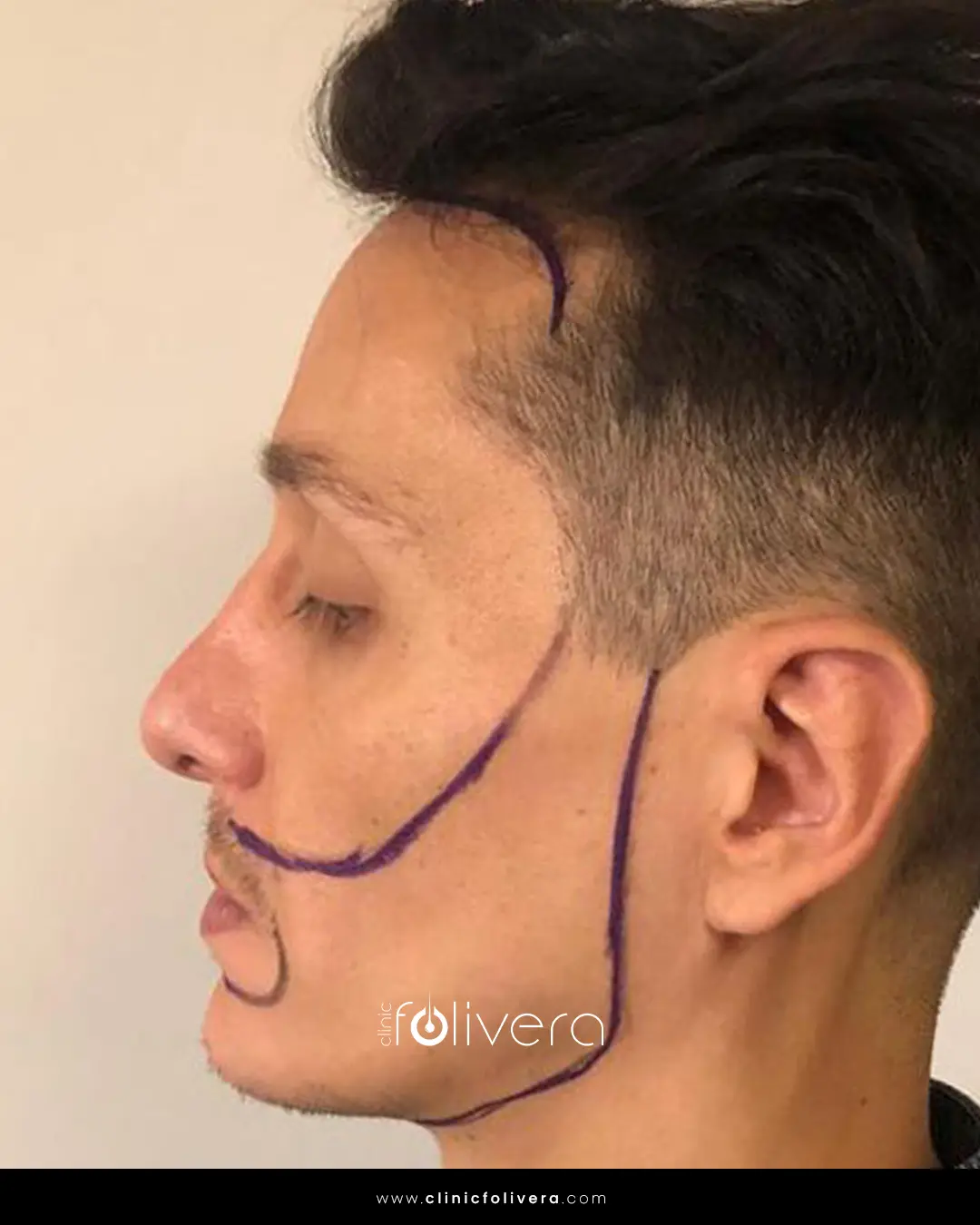
The mustache transplant is a procedure in which healthy hair follicles are extracted from areas resistant to hair loss, such as the nape or behind the ears, and transferred to the mustache area using microsurgical techniques. Similar to hair transplantation, the FUE or DHI methods are generally used.
The mustache transplant is an effective solution for those who want to improve facial symmetry, correct asymmetrical mustache lines, or fill empty spaces caused by trauma. Transplanted mustaches are permanent; they can be shaved, grown out, and shaped.
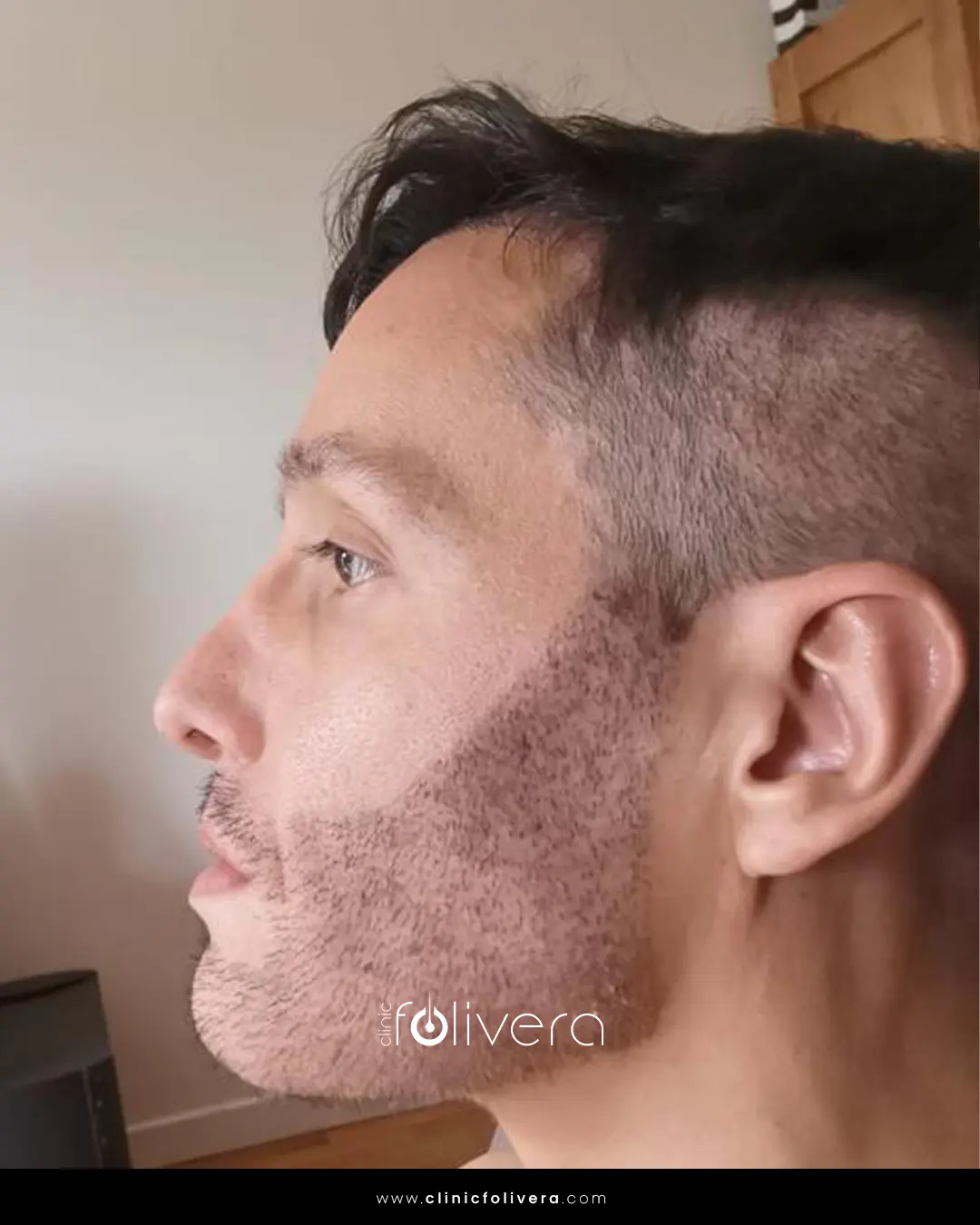
Who are candidates for mustache transplant?
It is not necessary to have a specific illness to undergo the transplant, but suitable candidates meet certain criteria:
Suitable candidates:
• People with sparse or absent mustaches due to genetic reasons.
• Those who stopped developing a mustache after adolescence.
• People with gaps in the mustache area due to accidents, burns, scars, or surgeries.
• People with disharmony between mustache and beard.
• People undergoing gender transition.
• Men who wish to better define the mustache line for aesthetic reasons.
Unsuitable candidates:
• People without a sufficient donor area to extract follicles.
• People with active infections or inflammations on the skin.
• Patients with risky systemic diseases such as uncontrolled diabetes or severe heart disease.
• People who cannot stop taking anticoagulant medications.
It is recommended that those under 20 years old wait until their hormonal development is complete before undergoing the procedure. Each case should be evaluated individually.
How is the mustache transplant performed?
The procedure is done under local anesthesia and generally lasts between 2 and 6 hours. The main stages are:
• Consultation and planning: The specialist doctor evaluates the facial structure, the mustache line, and the expectations. The shape, density, and number of grafts needed—usually between 300 and 1000 follicles—are determined.
• Follicle extraction from the donor area: The donor area is locally anesthetized, and follicles are extracted one by one using the FUE technique. The follicles are kept in special solutions to preserve their viability.
• Channel opening and implantation: In the FUE technique, microchannels are opened in the mustache area to place the follicles. In DHI, the follicles are implanted directly with a special instrument without previously opening channels. The direction and angle of the follicles are adjusted to achieve a natural look.
• Care and recovery: After finishing, the area is cleaned, and usually a bandage is applied. The patient can go home the same day but must rest and take care of the area during the first days.
Mustache Transplant with FUE Method
FUE (Follicular Unit Extraction) is a reliable technique used for years for hair and mustache. It involves extracting follicles from the donor area one by one, and then implanting them into microchannels opened in the recipient area.
Advantages of FUE:
• Can be used in extensive areas.
• Minimal damage to the donor area and low risk of visible scarring.
• Relatively lower cost.
• Faster procedure than DHI.
Disadvantages:
• Follicles remain outside the body longer, which can affect success rates.
• Does not allow as dense implantation as DHI.
Mustache Transplant with DHI Method
DHI (Direct Hair Implantation) is an advanced technique where follicles are implanted directly with a special medical pen called the Choi Implanter Pen, without the need to open channels beforehand.
Advantages of DHI:
• Less tissue trauma.
• Follicles implanted immediately, increasing success rates.
• Allows for denser and more controlled implantation.
• Ideal for small areas and those with high aesthetic sensitivity.
Disadvantages:
• More complex and prolonged procedure.
• Higher cost.
• Not available in all clinics.
A well-groomed beard not only transforms the face but also the confidence and identity of the one who wears it.
Recovery Process After Mustache Transplant
The first 48-72 hours are critical for healing. The area should not be touched, the face should not be washed, nor exposed to trauma. The typical process is:
• Days 1–3: Formation of scabs and redness.
• Days 5–7: Scabs fall off.
• Week 2: Temporary hair shedding “shock” (follicles remain).
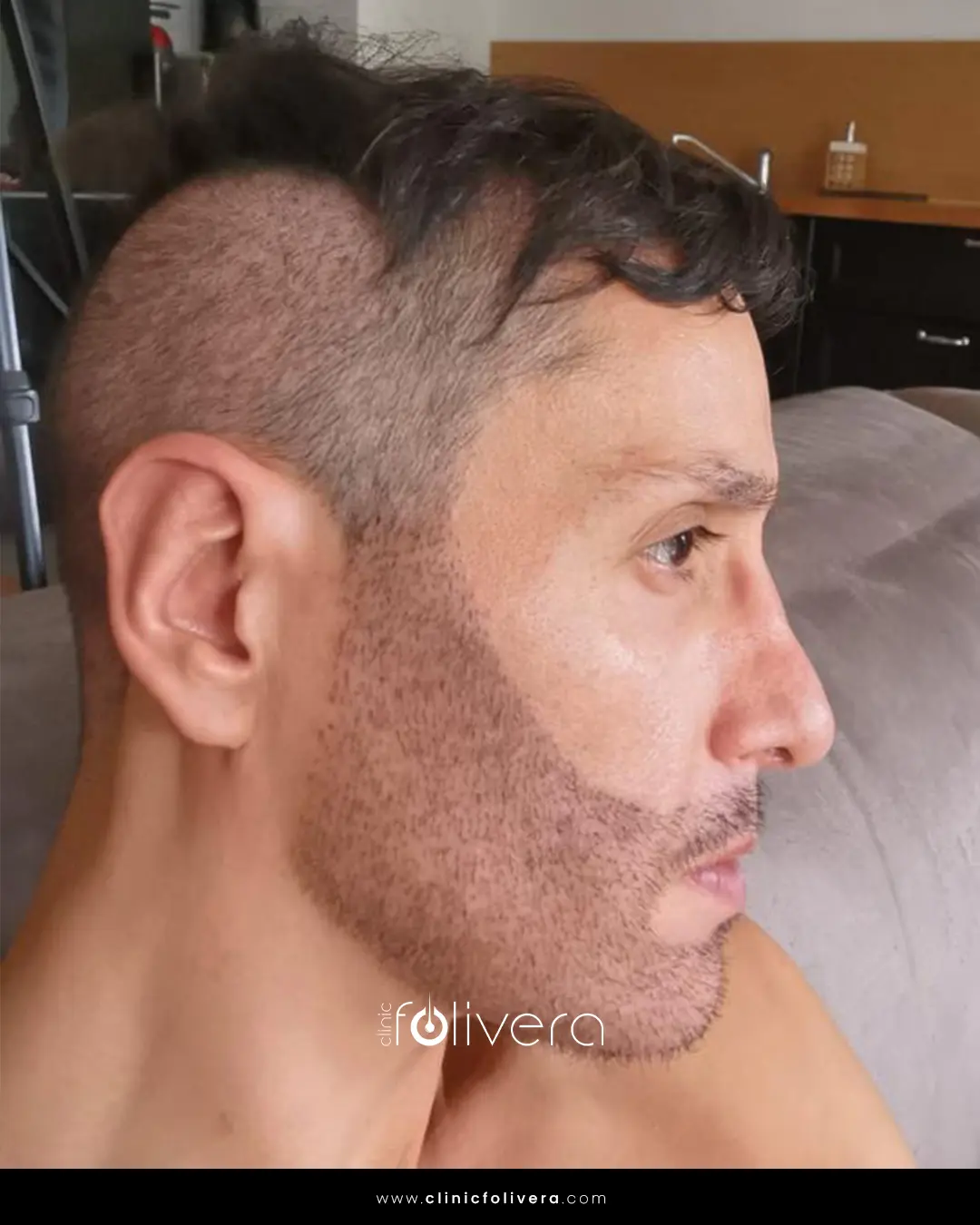
• Months 1–3: New hairs begin to grow.
• Month 6: Approximately 70-80% of the final result is visible.
• Month 12: Definitive result.
It is essential to follow medical instructions, keep the area hydrated, and avoid bumps or friction.
Post-Transplant Care for Mustache:
• Do not wash the area during the first 3 days, only hydrate with recommended lotions.
• Do not sleep face down.
• Avoid smoking and alcohol consumption for one week.
• Avoid intense exercise, sauna, or steam baths.
• The first shave should be done with scissors at 30 days.
• Do not use a razor for 2 months.
Diet and Lifestyle After the Transplant:
A balanced diet rich in proteins, zinc, biotin, and vitamin C helps accelerate recovery. Drinking plenty of water, avoiding tobacco, and reducing stress are very important.
Possible Risks and Complications:
Although rare, it is important to be aware and prevent them. With procedures performed at professional clinics, risks are minimal.
• Risk of infection: May appear as redness, inflammation, pain, and in severe cases, pus formation. Prevented with hygiene and antibiotics if necessary.
• Loss of transplanted follicles: Some follicles may not survive due to poor donor quality, incorrect implantation angle, or inadequate care. The success rate usually exceeds 90%.
• Scar formation: Very low in modern techniques, but visible or thickened scars may appear in sensitive skin.
• Asymmetry or artificial appearance: May occur due to poor planning or bad follicle distribution. Corrected with touch-ups.
• Temporary shedding (“shock”): Temporary loss of transplanted hair that regrows after months.
• Sensitivity, numbness, or itching: Common in the first week and usually disappear.
Is the Mustache Transplant Permanent?
Yes, the follicles come from areas resistant to hair loss and are not affected by hormones. With a successful procedure and a healthy lifestyle, the results last a lifetime.
Mustache Transplant Prices:
Prices vary depending on the technique used, number of follicles, specialist experience, location, and clinic services. Some clinics offer complete packages while others charge per session. The best information is obtained after a personalized evaluation.
Conclusion
The mustache transplant not only improves aesthetics but also boosts confidence, improves social relationships, and self-perception. Performed by experts, it offers natural and permanent results.
If you want the mustache you’ve always dreamed of, don’t hesitate to take the first step. With a detailed examination and personalized planning, you can achieve a completely new look.