
Nowadays, a beard is not just a type of hair; it has also become a symbol of masculine appearance, confidence, and style. However, due to genetic factors, hormonal disorders, trauma, or previous illnesses, some men complain of sparse, asymmetrical, or nonexistent beards. At this point, beard transplantation comes into play.
What is beard transplantation?
Beard transplantation is the procedure by which healthy hair follicles, extracted from the nape area, are transplanted to areas of the beard where there is a lack or absence of hair. Performed with modern techniques such as FUE and DHI, this procedure offers permanent and natural results.
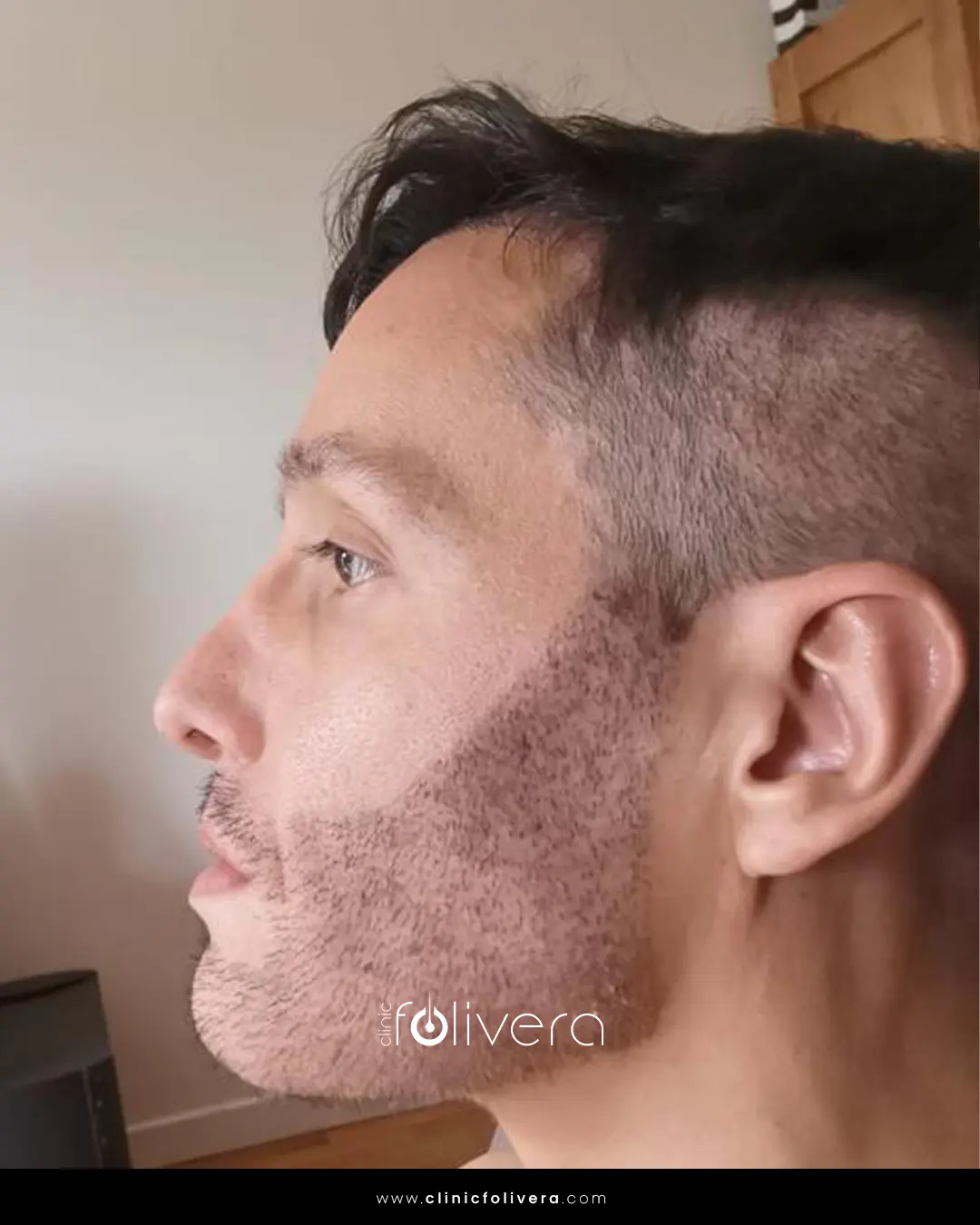
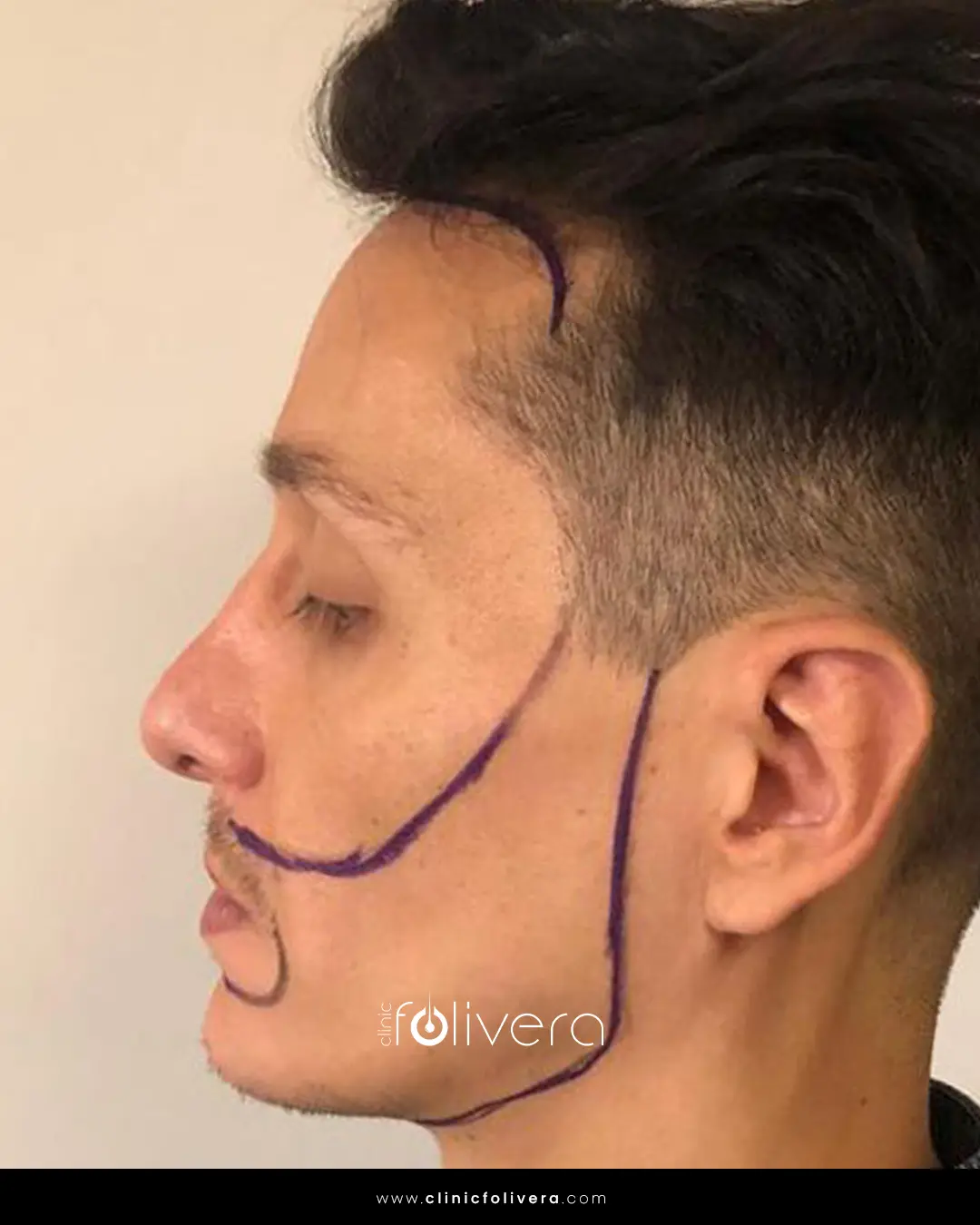
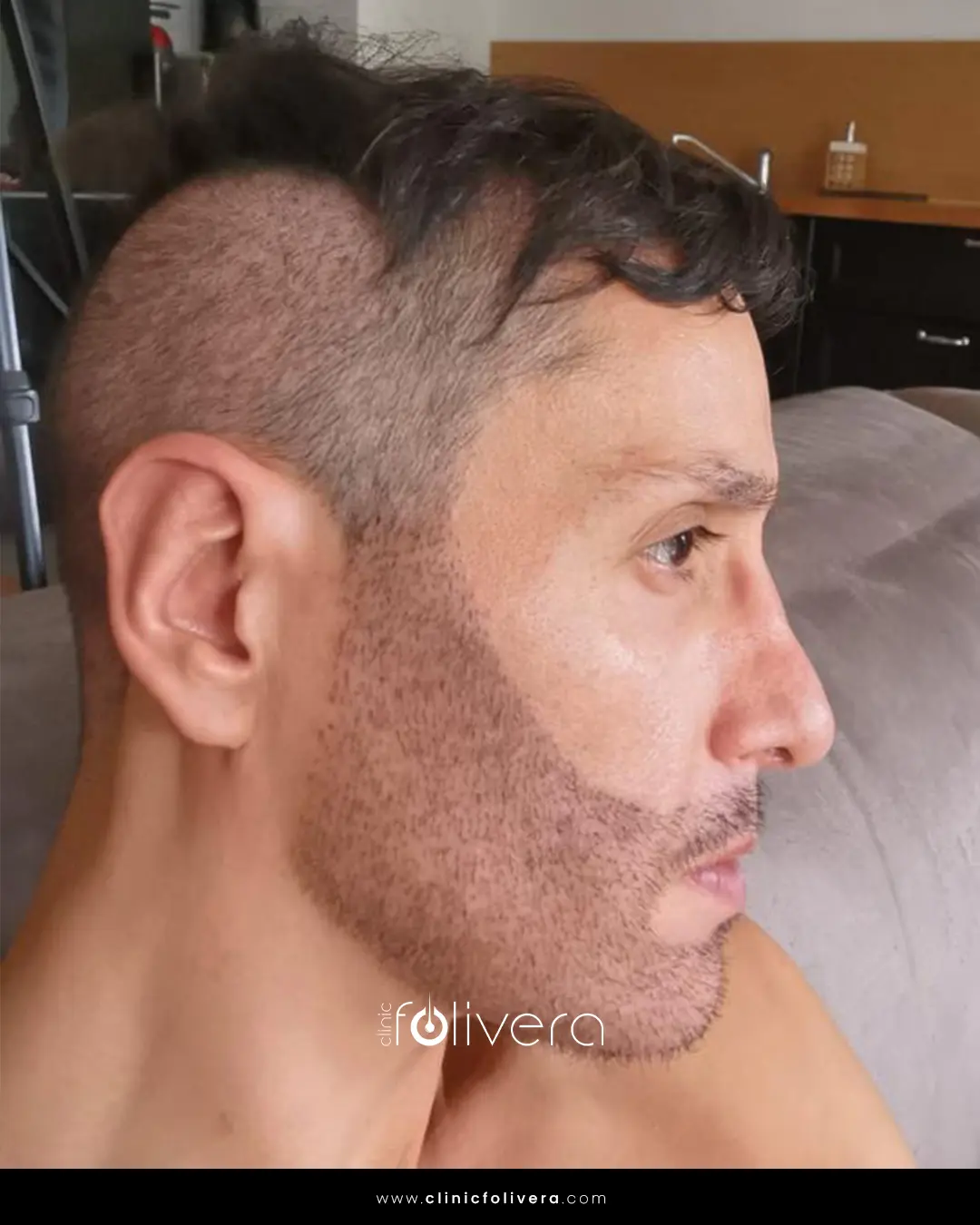
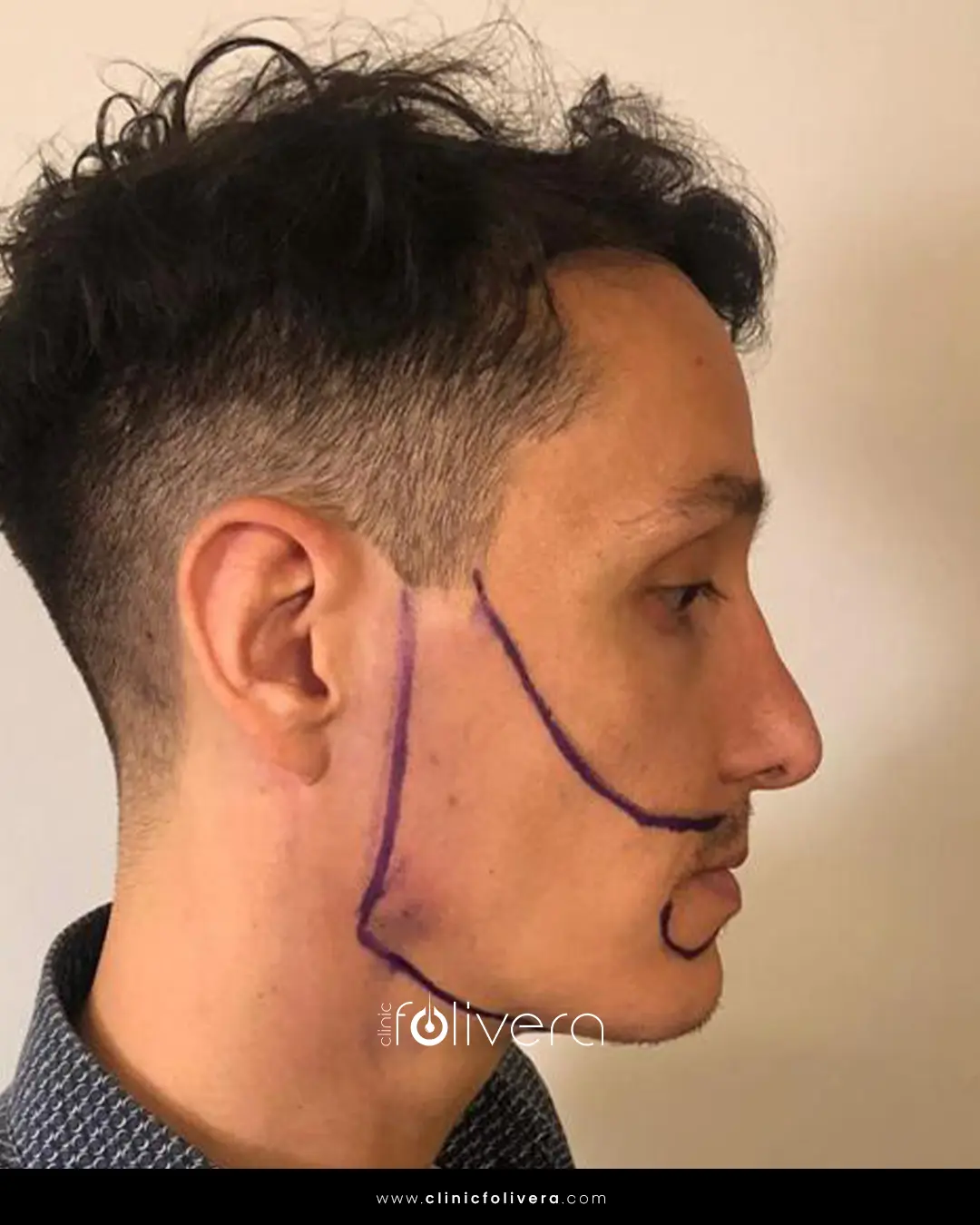
Beard transplantation is one of the procedures that has rapidly gained popularity among men in recent years. It is an effective solution for those who value their personal style, want a more masculine appearance, or have experienced self-esteem issues due to a lack of beard in the past.
Who can undergo beard transplantation?
Although there is no strict age limit, specialists recommend that the person has completed their hormonal development before undergoing the procedure. Generally, the mid to late twenties is considered an appropriate time. It is not mandatory to have a noticeable beard problem.
Beard transplantation can be performed on individuals with:
• Sparse beard due to genetics
• Areas with gaps, hair loss, or scars (burns, wounds, acne marks)
• Lack of beard caused by hormonal imbalances
• Desire for a fuller and more symmetrical beard
• Individuals undergoing gender affirmation
To undergo the transplant, a good general state of health and a sufficient number of healthy hair follicles in the donor area are required. In some cases, dermatological evaluation or hormonal tests may be recommended.
Who can undergo a beard transplant?
Although there is no strict age limit, specialists recommend that the person has completed their hormonal development before undergoing the procedure. Generally, the mid to late 20s is considered an appropriate time. It is not necessary to have an obvious beard problem.
Beard transplants can be performed on individuals with:
• Sparse beard due to genetics.
• Areas with gaps, hair loss, or scars (burns, wounds, acne marks).
• Lack of beard caused by hormonal imbalances.
• Desire for a fuller and more symmetrical beard.
• Individuals undergoing gender affirmation.
To perform the transplant, a good overall health condition and a sufficient amount of healthy hair follicles in the donor area are required. In some cases, dermatological evaluation or hormonal tests may be recommended.
A well-crafted beard is not just hair—it’s confidence, identity, and a statement of style, rebuilt one follicle at a time.
What are the stages of a beard transplant?
The procedure consists of several main stages and is generally completed in a single session lasting 6 to 8 hours:
• Examination and planning: The specialist examines the facial structure, listens to the patient’s expectations, and determines how many grafts are needed. The transplant area, symmetry, and density are planned. The shape of the beard is defined.
• Extraction of follicles from the donor area: Grafts are extracted one by one from the back of the scalp using manual or motorized devices. The grafts are preserved in special solutions.
• Creation of channels: Microchannels are created in the beard area where the follicles will be placed. The direction, angle, and frequency of the channels are key to achieving a natural result.
• Implantation of grafts: The grafts are carefully placed one by one into the channels. In the DHI technique, implantation is done directly with a special instrument without opening channels beforehand. Attention is given to symmetry, natural lines, and hair direction.
• Post-procedure: The area is covered with a bandage, and the patient is discharged the same day. Precautions must be taken during the first 2-3 days.